
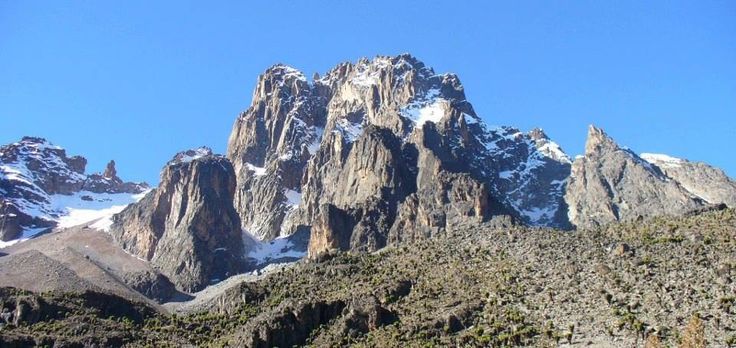
What’s Mount Kenya all about? Well, it ranks as Africa’s second-highest mountain, right after Mount Kilimanjaro. Rising to 5,199 meters above sea level, it calls central Kenya home. The mountain draws attention for its striking peaks and features like alpine lakes, glaciers, forests, and diverse wildlife. Adventurers from all corners of the globe, hikers, climbers, photographers, and nature enthusiasts; flock to this destination. Among its peaks, Batian, Nelion, and Point Lenana stand out.
Many hikers target Point Lenana since it’s more accessible without needing advanced climbing skills. Interestingly enough, Mount Kenya is nestled within Mount Kenya National Park. This park carries the honor of being a UNESCO World Heritage Site due to its rich biodiversity and stunning views. Curious about more? Ever wondered about the cost of visiting Mount Kenya?
How Much Does It Cost to Go to Mount Kenya?
The expenses vary based on factors like the chosen route, trip duration, transportation needs, and guide services. Whether you’re a local or international traveler also affects pricing. Generally, Kenyans might spend between KSh 15,000 and KSh 60,000 for a typical hike.
In contrast, foreigners could expect costs from $300 to over $1,000. Basic packages cover park entry fees, camping spots, meals, and guide assistance. On the other hand, luxury options might offer hotel stays, private rides, expert guides, and porters. Popular routes like Sirimon and Chogoria often have different prices due to varying challenges and lengths.
Don’t forget about gear; it can add extra expenses too. When planning a climb, consider expenses like renting gear, giving tips to guides and porters, buying snacks, and getting travel insurance. Those eyeing challenging peaks such as Batian may face higher costs due to the need for special equipment and skilled guides.
What Are Three Facts About Mount Kenya?
Ever thought about Mount Kenya? Here’s a cool bit of info: it was a roaring volcano millions of years ago. Erosion over the ages carved out its dramatic peaks and valleys. Though it no longer erupts, it stands proud as one of Africa’s breathtaking natural wonders.
Also fascinating is how the mountain’s vegetation shifts with height. At lower levels, you find dense forests teeming with elephants, buffaloes, and monkeys. Ascend higher and you’ll encounter remarkable giant lobelias and other unique flora. Mount Kenya is home to unique alpine plants that thrive in the cold.
Also, for the Kikuyu community, one of Kenya’s largest ethnic groups, Mount Kenya holds great spiritual significance. In their tradition, many Kikuyu families built their homes facing the mountain because they believed it was where God, known as Ngai, resided.
What City Is Mount Kenya Located In?
Now, you might wonder which city Mount Kenya is in. Well, it’s not actually in a city. It sits in central Kenya and is surrounded by several towns and counties. Nanyuki, Meru, and Embu are some of the closest major towns. Of these, Nanyuki stands out as a popular starting point for hikers and tourists heading to the mountain. Here, you’ll find places to stay, eat, gear up for hikes, or book tours.
Climbers can find transport services in this town. It’s a popular starting point for trekking expeditions because it’s close to the Sirimon and Burguret routes. If you’re traveling from Nairobi, you have options like taking a road trip, hopping on a bus, driving your own car, or catching a domestic flight to get to Nanyuki. The mountain spans several counties—Meru, Nyeri, Embu, Kirinyaga, and Laikipia—making it one of Kenya’s key natural landmarks.
How Long Does It Take to Climb Mount Kenya?
Wondering how long it takes to climb Mount Kenya? Well, the time varies based on your route choice and fitness level. Generally speaking, most people need 3 to 5 days to reach Point Lenana. This timeframe helps with acclimatization and reduces risks associated with altitude changes. Altitude sickness is a common concern.
The Sirimon-Chogoria route, which many find beautiful, usually takes four days to complete. Some climbers finish in three days if they’re quick, but others prefer a longer journey for better scenery and acclimatization to the high altitude. Those targeting Batian or Nelion peaks will need extra time due to the rock climbing involved. Weather also plays a role in how long it takes, especially when it rains and trails become slippery and hard to see.
Can a Beginner Climb Mount Kenya?
Is Mount Kenya climbable for newbies? Absolutely! Beginners can definitely tackle Mount Kenya if they focus on Point Lenana instead of the more challenging peaks. Mount Kenya is known as a trekking peak, and you don’t need advanced climbing experience or specialized mountaineering skills to tackle it. But it’s crucial for beginners to get in shape before the journey.
Walking for hours at high altitudes can be tough, especially for those unfamiliar with mountain treks. It’s important to focus on basic fitness training, wear good hiking boots, have warm clothing ready, and stay hydrated.
Bringing along an experienced guide is a smart move because they can assist with navigation, ensure safety, help with acclimatization, and explain mountain weather patterns. With the right preparation and determination, many first-timers reach the summit of Mount Kenya every year.
Is It Harder to Climb Mount Kenya or Mount Kilimanjaro?
Is climbing Mount Kenya harder than tackling Mount Kilimanjaro? That largely depends on which peaks you’re comparing. Climbing Point Lenana on Mount Kenya isn’t as tough as tackling Mount Kilimanjaro since the altitude is lower.
Meanwhile, technical ascents like Batian and Nelion on Mount Kenya are much tougher and demand rock-climbing skills. Kilimanjaro stands taller at 5,895 meters, which makes altitude sickness a bigger hurdle for many climbers. Although Kilimanjaro’s routes are mostly trekking paths without technical climbing, the high elevation still poses a significant physical challenge.
In contrast, Mount Kenya presents steeper terrain, rougher trails, and in some places, colder alpine conditions. Many experienced climbers see Mount Kenya as more adventurous and scenic. On the other hand, Kilimanjaro enjoys greater fame and is more accessible to climbers.
Can You Climb Mount Kenya in One Day?
Climbing Mount Kenya in a single day is possible, but it’s only for those who have lots of hiking experience and are very fit. Usually, people attempt shorter routes or quickly head up to Point Lenana and then come back down right away. It’s tough and might lead to getting really tired or facing altitude sickness.
Many folks choose to spread the climb over several days so they can adjust to the height better and soak in the views of the mountain. A fast one-day trek can be draining because of long walking hours and sudden height changes. However, if you’re short on time, there are also shorter trips available for a quick taste of the adventure.
You can explore the lower sections of Mount Kenya National Park without aiming for the summit. Here, you can experience nature walks, discover waterfalls and caves, and watch wildlife. These shorter trips still provide stunning views and memorable outdoor adventures.
Best Time to Visit Mount Kenya
Wondering when to visit Mount Kenya? The ideal climbing months are during the dry seasons: January through March or June through October. Trails are less muddy, skies clearer, and summit views more visible at these times. Rainy seasons present challenges with slippery paths and colder temperatures. Yet, some travelers enjoy visiting during quieter times when crowds thin out.
With careful planning and warm clothes, your trip will be safe and enjoyable. Guided by experienced trekking companies, your journey up Mount Kenya will surely be unforgettable.